
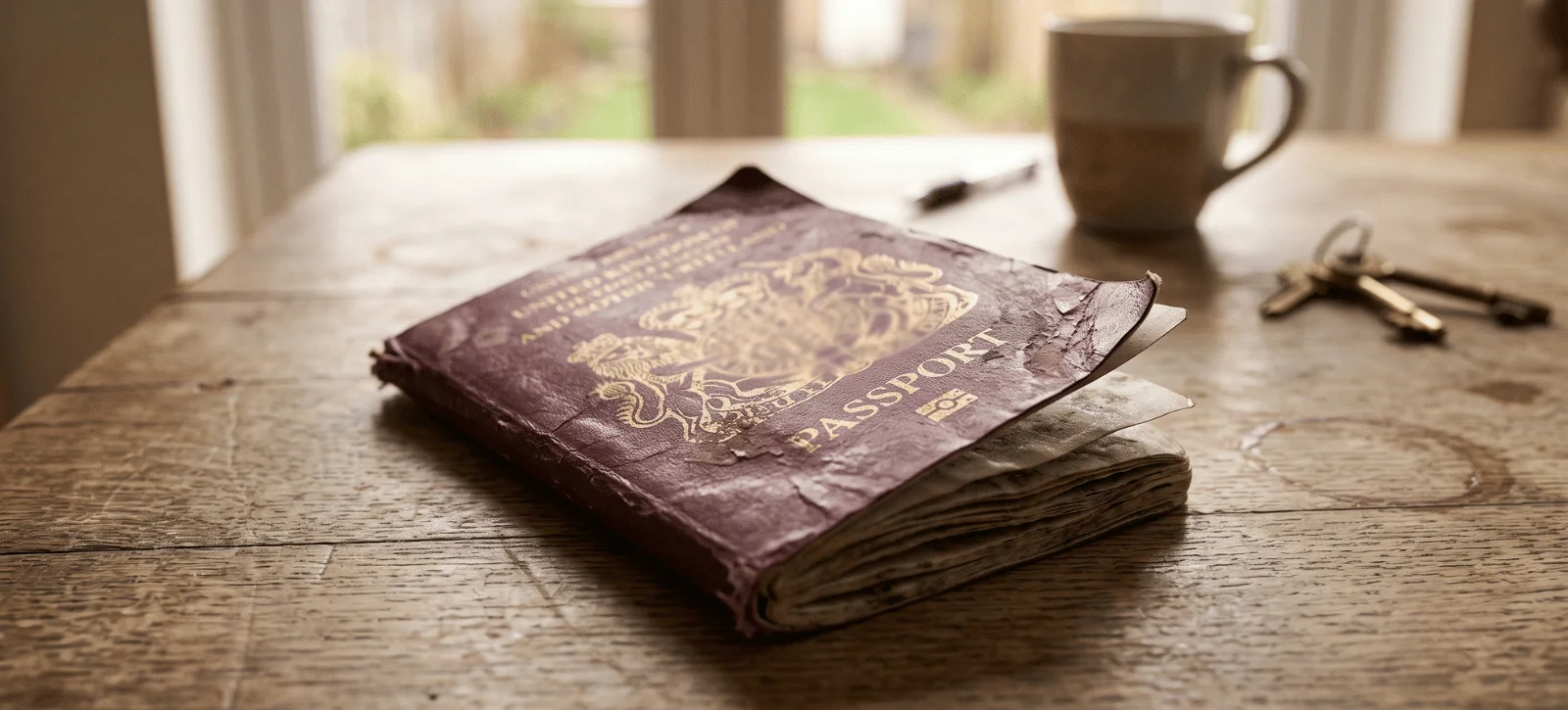
If you've discovered your passport has water damage right before a trip, you might be wondering if you can still travel. Here's what you should know about using a water-damaged UK passport.
Check the Extent of Damage
First, assess how severe the water damage is. A few splashes might not ruin your travel plans, but significant damage can lead to problems at the border. Blurred details, stained pages, or loose bindings are red flags that your passport might not be accepted.
Signs Your Passport Needs Replacing
- Blurred Personal Information: If your details aren't readable, your passport is likely invalid.
- Damaged Security Features: These include the photo page or electronic chip.
- Loose or Missing Pages: Any missing or severely damaged pages can cause issues.
Travel Implications
A water-damaged passport can lead to delays or even denial of entry. Airlines and border officials may refuse a damaged document, leading to additional stress during your travels. Always confirm with your airline and destination country about their specific requirements.
When to Seek a Replacement
If your passport exhibits any of the serious signs of damage listed above, it's wise to apply for a replacement before traveling. You can find more on replacing a damaged UK passport.
Practical Checklist Before Traveling
- Inspect Thoroughly: Look for any of the serious damage signs.
- Contact Airline: Verify if your passport will be acceptable.
- Contact Embassy: If traveling abroad, check with the destination's embassy.
- Consider Replacement: If in doubt, it's safer to replace.
UK Passport Assistance does not process first British passport applications. Applicants should use the official application route and check the current requirements before applying.
This website is not an official UK Government site. For the most up-to-date and official information, please visit the GOV.UK passport section.