
Understanding the Countersignatory Requirement
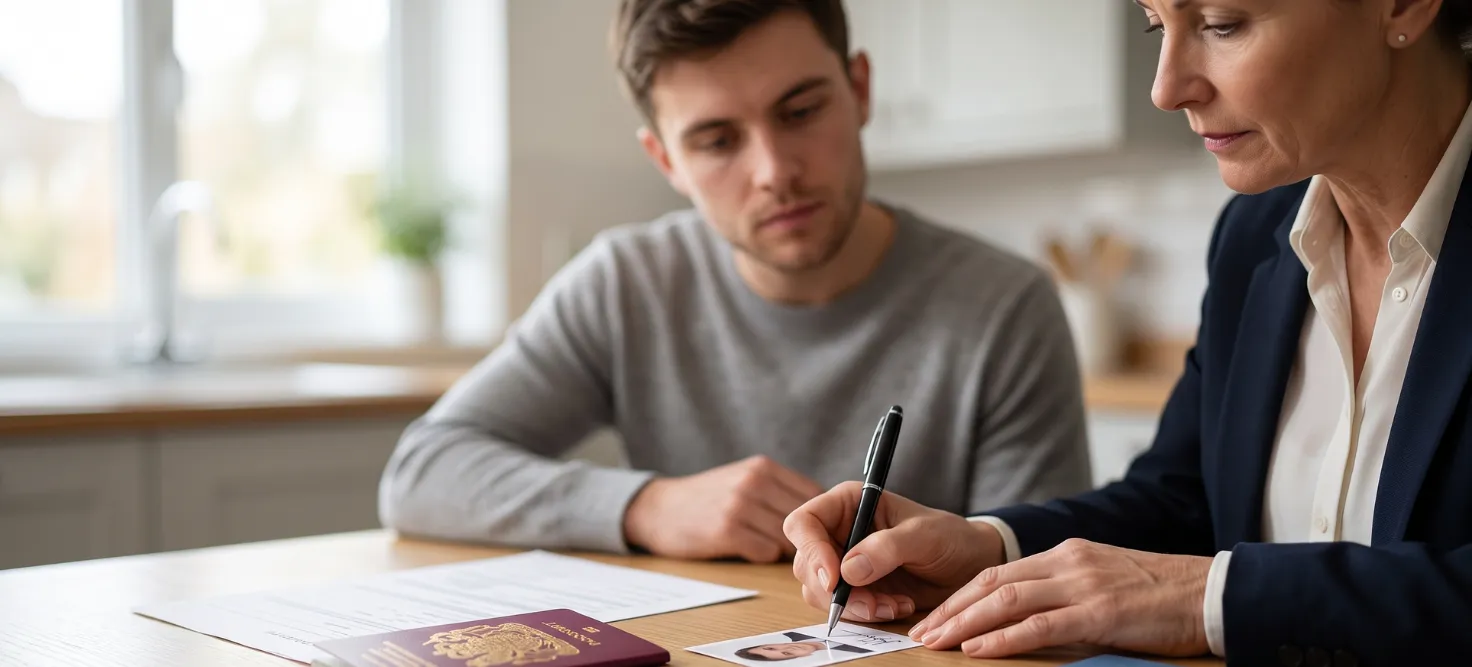
When applying for a British passport, one step that frequently causes confusion is finding a countersignatory. A countersignatory is a person who confirms your identity and verifies that your passport photo is a genuine likeness of you. Without one — where required — your application cannot proceed.
Getting this step wrong is one of the most common reasons passport applications are returned, so it is worth understanding exactly what is needed before you submit anything.
Who Is Eligible to Act as a Countersignatory?
The rules around who qualifies as a countersignatory are set by His Majesty's Passport Office (HMPO). To be eligible, a countersignatory must:
- Have known you personally for at least two years
- Be a British citizen or hold another acceptable nationality
- Not live at the same address as you
- Not be a close relative
- Be established in their community and work in a recognised profession
HMPO's guidance describes eligible countersignatories as people working in professions that carry a degree of public trust. Examples include:
- GPs and other medical professionals such as dentists and nurses
- Solicitors and accountants
- Police officers and civil servants
- Teachers and headteachers
- Ministers of religion
- Directors or managers of established businesses
- Chartered engineers
- Bank or building society officials
- Journalists
This list is broad, but the key question to ask is whether the person's professional standing would be recognisable and verifiable. Someone in a well-established role with a clear employer or professional registration is a strong choice. A person who works informally or whose professional status is difficult to verify is unlikely to be suitable.
Can a Family Member Act as a Countersignatory?
No. Family members cannot countersign your passport application, regardless of their profession. HMPO defines close relatives as parents, grandparents, siblings, children, aunts, uncles, and their respective spouses or partners.
This means that even if your sibling is a solicitor or your aunt is a retired headteacher, they are not eligible. The purpose of a countersignatory is independent verification, and family members cannot provide that independence.
If you are struggling to identify a suitable person, consider your professional network — a long-standing GP, a former employer, or a professional adviser you have known for at least two years.
How to Complete the Countersigning Process: A Step-by-Step Guide
- Identify a suitable countersignatory who meets all the eligibility criteria above.
- Have your passport photos professionally printed before asking your countersignatory to sign anything.
- Ask your countersignatory to sign the back of one passport photo in black ink, writing their name, occupation, and the declaration that the photo is a true likeness of you.
- Ask your countersignatory to sign the relevant section of the application form, confirming they have known you for at least two years and verifying your identity.
- Ensure your countersignatory includes their phone number and address on the form, as HMPO may contact them directly if they have any queries.
Brief your countersignatory clearly before they sign. Make sure they understand what they are declaring, that their handwriting is legible, and that their name appears consistently across both the photo and the form.
Common Pitfalls to Avoid When Countersigning
Several straightforward errors at the countersigning stage can result in your application being returned. Being aware of them in advance will save you time.
Signing in the wrong ink colour. All signatures must be in black ink. Applications have been returned because a countersignatory used blue ink. It sounds minor, but HMPO applies this rule consistently.
Signing the photo incorrectly. The countersignatory must sign across the back of the photo, not across the face. The writing must be legible and must not bleed through to the front of the image. Avoid felt-tip pens.
Inconsistent details. If the countersignatory's name is written differently on the photo compared to the form, HMPO may flag the application. Names should appear exactly the same on both.
Signing before the photos are printed. The declaration the countersignatory makes refers to the specific physical photo in front of them. Photos must be printed first, then signed.
Choosing someone who lives at the same address. This is a common oversight, particularly for couples or flatmates. Even if the person otherwise qualifies professionally, sharing an address disqualifies them.
Asking a family member. As covered above, close relatives are not eligible, regardless of their profession.
Required Documents and Fees
While this article focuses on the countersignatory requirement, it is useful to understand how this step fits into the broader application. When submitting a British passport application, you will typically need:
- A completed application form (online or paper, depending on your circumstances)
- Two identical passport photographs meeting HMPO's specifications
- Your current or most recent passport (if applicable)
- Supporting documents, such as a birth certificate or naturalisation certificate, where required
- The applicable application fee
Fees and specific document requirements can change, and some requirements vary depending on whether you are applying for a first passport, a renewal, or a child's passport. You should always check the latest official guidance before submitting your application.
For full details on fees, documents, and eligibility, visit the GOV.UK passport guidance.
How Private Assistance Can Simplify Your Passport Application
Navigating the countersignatory rules — alongside the broader passport application process — can feel complicated, particularly if it is your first time applying or if your circumstances are unusual. A small error at any stage can lead to delays.
A private passport assistance service can help you review your application before submission, check that your countersignatory meets the eligibility criteria, and ensure that all sections of the form are completed correctly. This kind of support does not replace the official process or guarantee any particular outcome, but it can give you greater confidence that your application is in good order before it reaches HMPO.
To find out more about how private assistance could help with your passport application, visit UK Passport Assistance.
This website is not an official UK Government site. For the most up-to-date and official information, please visit the GOV.UK passport section.